
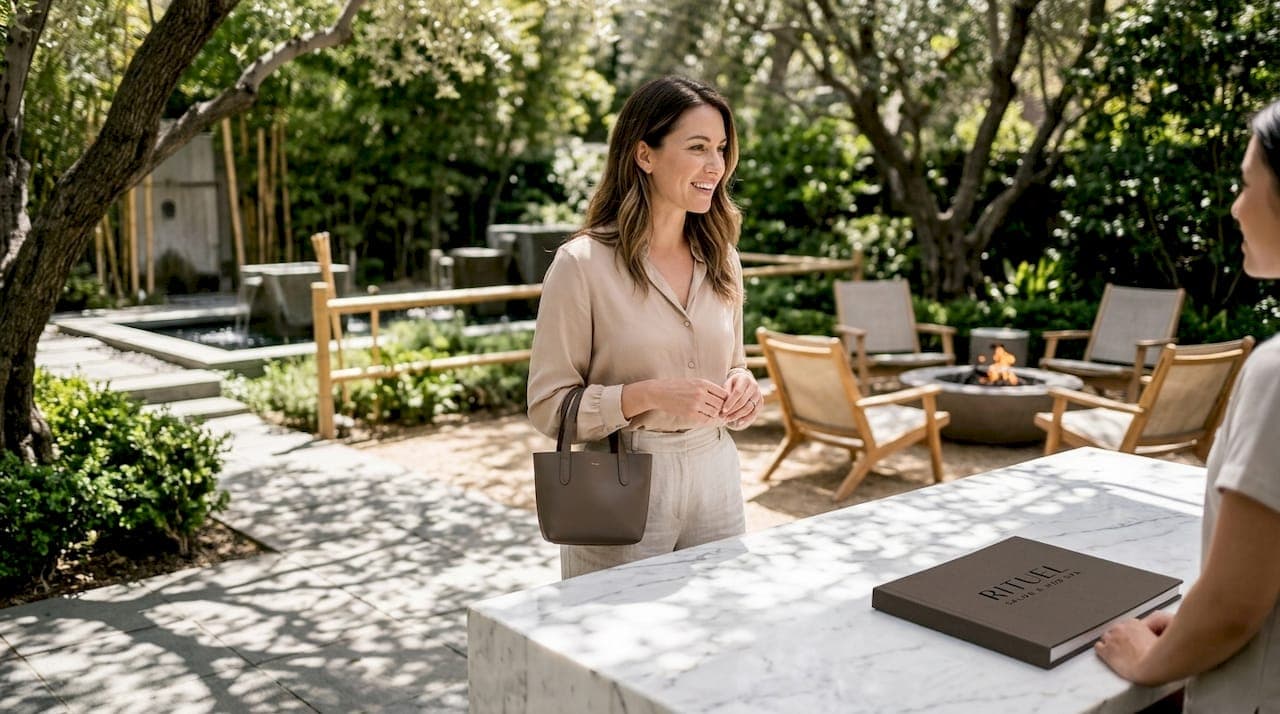
Most people picture plush robes and cucumber water when they hear "luxury wellness." That picture is incomplete. A true luxury wellness experience, known in the industry as integrative wellness, goes far beyond pampering. It combines clinical diagnostics, personalized health protocols, and medically guided follow-up care into a single, cohesive program designed to produce measurable outcomes. If you are researching what separates a high-end wellness resort from a nice hotel spa, this guide gives you the full picture, from what happens on day one to what you take home when the program ends.
Table of Contents
- Key Takeaways
- What a luxury wellness experience really means
- Amenities that signal a genuine retreat
- How programs are structured
- The business of luxury wellness
- How to choose and prepare for your program
- My take on where luxury wellness is heading
- Experience luxury wellness at Rituel Salon & Med Spa
- FAQ
Key Takeaways
| Point | Details |
|---|---|
| More than spa services | Luxury wellness integrates diagnostics, personalized plans, and clinical follow-up, not just treatments. |
| Credentials matter | Look for programs staffed by integrative medicine doctors, naturopaths, or functional medicine specialists. |
| Programs are structured | Multi-day pathways (3, 7, or 14+ days) target specific outcomes like metabolic reset or sleep recovery. |
| Cost reflects depth | Pricing is driven by diagnostic complexity, specialist time, and post-program support, not just amenities. |
| Preparation is key | Setting clear health goals before arrival and planning post-retreat habits determines your long-term results. |
What a luxury wellness experience really means
The phrase "luxury wellness" gets applied to almost everything with a sauna and a green juice menu. The industry term, integrative wellness, is more precise. It describes programs that combine conventional medicine with evidence-informed lifestyle interventions, all personalized to your specific health data.
True luxury wellness is defined by outcome focus, medical guidance, and continuity of care, not by thread count or infinity pools. That distinction matters enormously when you are spending real money and real time on your health.
Here is what the core components actually look like in practice:
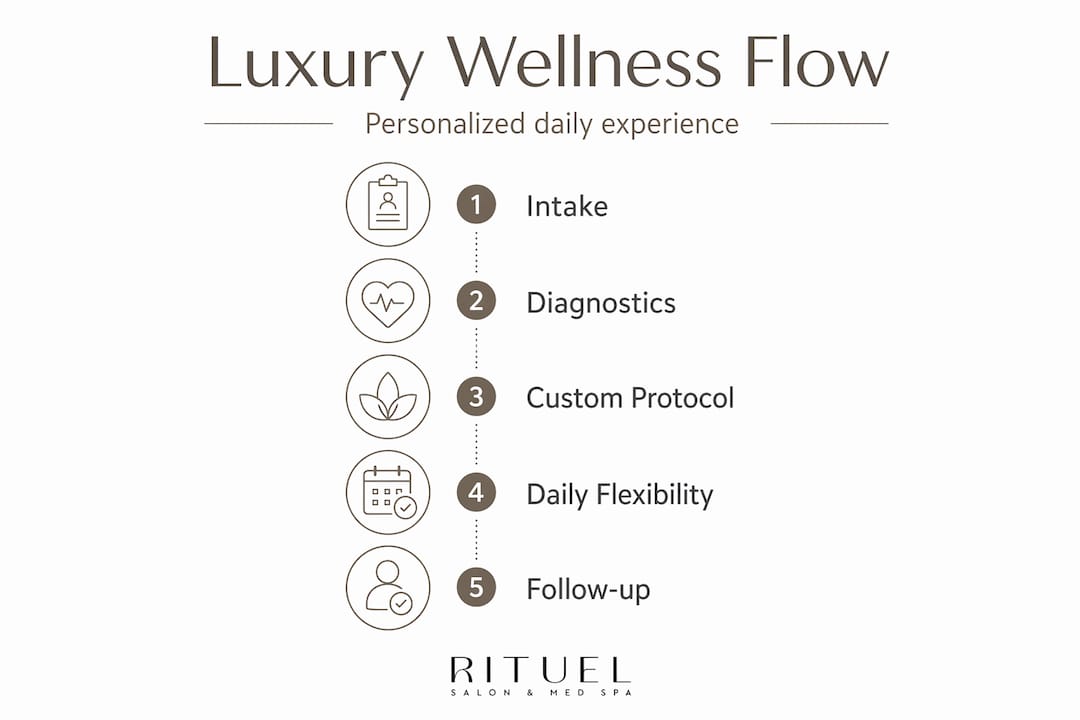
- One-on-one intake consultation. You arrive and meet with a clinician, not a receptionist. They review your health history, current medications, sleep patterns, and stress load before a single treatment is scheduled.
- Biometric testing. Bloodwork, hormone panels, and sleep analysis give the team objective data to build your program around. Without this step, any "personalization" is guesswork.
- Specialist staffing. Quality programs employ integrative medicine doctors, naturopaths, or functional medicine specialists. These are not spa therapists with wellness certifications.
- Exit consultation. Before you leave, a clinician reviews what shifted during your stay and gives you a written plan for continuing progress at home.
- Follow-up care. The best programs schedule a check-in call or retesting window 30 to 90 days after your stay to track whether the changes are holding.
Pro Tip: Ask any program you are considering whether biometric results actually change your protocol. If the answer is vague, the diagnostics are decorative, not functional.
Amenities that signal a genuine retreat
A luxury spa retreat and a high-end wellness resort can look similar in photos. The difference shows up in the details of what they offer and why.
| Feature | Luxury spa retreat | High-end wellness resort |
|---|---|---|
| Thermal circuit | Sauna and steam room | Sauna, steam, cold plunge, cryotherapy, contrast therapy |
| Fitness | Group classes | Body composition assessment plus personalized training plan |
| Nutrition | Restaurant with healthy options | Farm-to-table menus designed by a registered nutritionist |
| Sleep support | Blackout curtains | Sleep environment design, sleep tracking, restorative protocols |
| Medical staff | Estheticians, massage therapists | Integrative physicians, naturopaths, functional specialists |
Thermal circuits and hydrotherapy like cold plunge pools and contrast therapy are not just amenities. They are clinically used tools for reducing inflammation, improving circulation, and accelerating recovery. When a resort includes them alongside medical oversight, that signals a results-oriented program rather than a relaxation-only experience.
Nutrition is another clear dividing line. Personalized wellness programs commonly include farm-to-table menus designed by nutritionists, guided meditation, breathwork, yoga, and structured sleep rituals. That is a different category from a spa menu with a salad section.

Mindfulness and sleep environments are also taken seriously at genuine luxury health experiences. Restorative sleep design includes everything from room acoustics and light management to guided breathwork sessions before bed.
Pro Tip: When reviewing a resort's amenity list, count how many offerings require a licensed clinician to deliver. The higher that number, the more medically grounded the program.
How programs are structured
Understanding program structure helps you choose the right format for your goals and your schedule. Most high-end wellness resorts offer three standard formats, each with a different depth of engagement.
-
Three-day programs. These focus on acute recovery and reset. You will typically receive an intake consultation, one or two biometric assessments, and a curated sequence of treatments targeting stress reduction, detox support, or sleep restoration. Think of it as a clinical jumpstart rather than a transformation.
-
Seven-day programs. The most popular format for first-time guests. Seven days allows enough time for initial diagnostics, a mid-program adjustment based on early results, and a meaningful exit consultation. Multi-day programs often follow personalized pathways like Sleep and Stress Recovery, Women's Health, Metabolic Reset, or Longevity Essentials. Each pathway sequences movement, nutrition, recovery, and mindfulness in a specific order.
-
Fourteen-day and longer programs. These are for guests with complex health goals or chronic conditions. The extended format allows for retesting mid-program, deeper dietary intervention, and more intensive coaching. Longevity-focused programs at this length often include physician-supervised fasting protocols, advanced hormone panels, and multiple specialist consultations.
The best programs also build in guest-led flexibility. Guests value the balance between structured protocols and self-directed time. A rigid schedule with no breathing room is not luxury. It is a boot camp with better linens.
Your private guide or wellness concierge adjusts the daily sequence based on how you are responding. If you are sleeping better by day four, the program pivots toward more active recovery. That real-time responsiveness is what makes the personalization meaningful.
The business of luxury wellness
Pricing in this space reflects a simple reality: the more diagnostic complexity and specialist time involved, the higher the cost. Here is a practical breakdown of what drives the numbers.
| Cost driver | Impact on price |
|---|---|
| Diagnostic depth (bloodwork, hormone panels) | Moderate to high |
| Specialist physician time | High |
| Program length (3, 7, 14+ days) | High |
| Post-program follow-up and retesting | Moderate |
| Accommodation and amenities | Variable |
Program costs are shaped by the depth of diagnostics, the number of specialists involved, and whether follow-up retesting is included. A three-day program with basic bloodwork and no physician time costs a fraction of a 14-day longevity protocol with specialist consultations and 90-day follow-up.
Membership models are becoming more common in urban wellness settings. Six Senses Place membership fees range from £3,000 to £37,000 annually, depending on which longevity protocols and services are selected. That range reflects the difference between access to facilities and a fully managed health program.
When evaluating value, consider these factors:
- Does the price include diagnostics, or are those billed separately?
- Is follow-up care part of the package, or an add-on?
- How many hours of specialist time are included?
- Are measurable outcomes part of the program design?
A program that costs more but includes retesting and a 90-day follow-up plan often delivers better long-term value than a cheaper retreat with no continuity of care.
How to choose and prepare for your program
Choosing the right program requires asking the right questions before you book. Here is what to cover with any provider you are seriously considering.
- Ask about diagnostic protocols. What biometric tests are included? Do the results actually change your program, or are they collected and filed?
- Verify staff credentials. Who delivers the medical components? Are they licensed physicians, naturopaths, or registered dietitians?
- Understand follow-up support. What happens after you leave? Is there a check-in call, a written plan, or access to a clinician for questions?
- Clarify safety screening. Responsible programs screen participants before any high-restriction or fasting protocol, reviewing medical history and medication interactions. If a program skips this step, walk away.
- Set specific goals before you arrive. "I want to feel better" is not a goal. "I want to understand my hormone levels and improve my sleep quality" gives the clinical team something to work with.
Preparation also matters on the practical side. Reduce alcohol and processed food intake for the week before your stay. Bring any recent bloodwork or medical records. Arrive with a written list of your current supplements and medications.
Luxury wellness programs succeed when diagnostics translate into sustainable lifestyle changes. That translation requires your active participation, not just passive receipt of treatments.
Pro Tip: Plan your first two weeks at home before you leave for the retreat. Identify which habits you want to continue, what you need to buy, and who in your life will support the changes. Post-retreat adherence is where most of the long-term benefit is won or lost.
My take on where luxury wellness is heading
I've watched this space shift dramatically over the past decade. What used to pass as a luxury wellness experience, a nice massage, a detox juice, and a yoga class, no longer satisfies the people who are genuinely investing in their health. They want data. They want a clinician who can read that data and tell them something specific. They want to leave with a plan, not just a memory.
The most common pitfall I see is programs that collect biometrics but don't act on them. If your bloodwork comes back and nobody adjusts your protocol, the diagnostics were theater. Wellness diagnostics should lead to plan changes. If they don't, the experience is superficial regardless of how beautiful the property is.
What I find genuinely exciting is the shift toward medically informed, outcome-driven programs. The best retreats now operate more like short-term health clinics than spas. They hire functional medicine physicians, they retest at follow-up, and they measure whether you actually improved. That accountability changes everything.
My honest advice: treat your first luxury wellness stay as a diagnostic investment. Go to learn what your body actually needs. Then build from there, whether that means returning for a longer program, working with a local med spa for ongoing support, or both. The retreat is a starting point, not a finish line.
— Victor
Experience luxury wellness at Rituel Salon & Med Spa
If the principles of integrative wellness resonate with you but a week-long retreat is not on your calendar right now, Rituel Salon & Med Spa in Phoenix brings those same principles to your city.
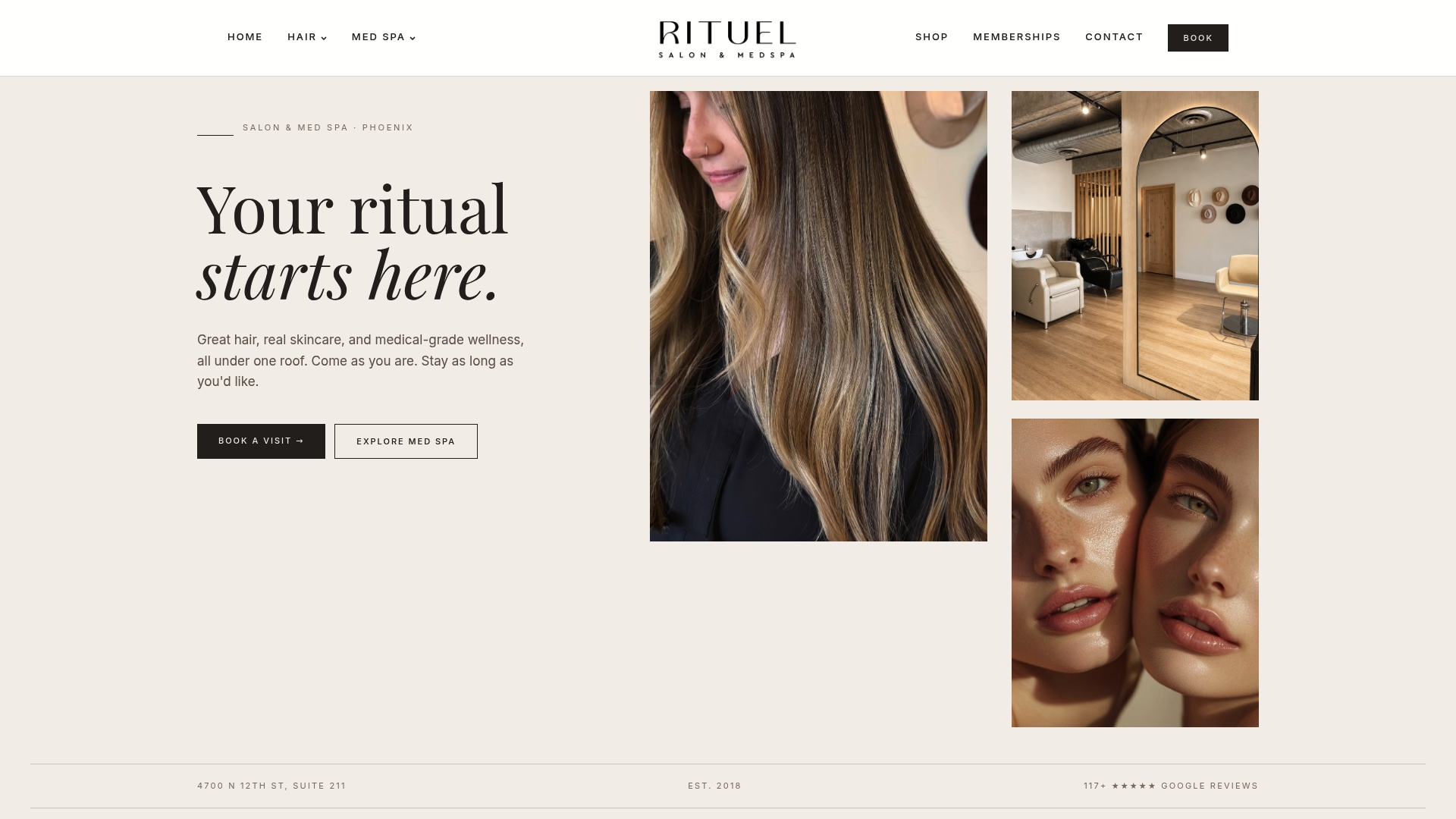
At Rituel's med spa, your experience starts with a personalized consultation that mirrors the intake process at top-tier wellness resorts. From there, you can access advanced treatments including IV therapy with NAD+, vitamin drips, and B12 shots, along with microneedling, luxury facials, and clinical wellness programs including hormone replacement therapy and peptide therapy. Weight loss programs using Semaglutide and Tirzepatide are also available with clinical oversight. These are not one-off indulgences. They are the building blocks of an ongoing wellness practice. Book a consultation at Rituel and start with a plan built around your actual health goals.
FAQ
What is a luxury wellness experience?
A luxury wellness experience, or integrative wellness program, combines clinical diagnostics, personalized health protocols, and medically guided follow-up care. It goes beyond spa treatments to deliver measurable health outcomes.
How is a luxury wellness retreat different from a regular spa?
A luxury wellness retreat includes biometric testing, specialist physicians, and personalized multi-day programs. A regular spa primarily offers relaxation treatments without clinical oversight or outcome tracking.
What should I look for when choosing a high-end wellness resort?
Look for programs that include one-on-one intake consultations, biometric testing, licensed medical staff, and a written post-program plan. Avoid programs where diagnostics do not visibly influence your protocol.
How much does a luxury wellness program typically cost?
Costs vary widely based on program length, diagnostic complexity, and specialist involvement. Short programs may start in the low thousands, while comprehensive 14-day longevity protocols with follow-up care can reach significantly higher price points.
Can I access luxury wellness services without traveling to a retreat?
Yes. Many med spas, including Rituel Salon & Med Spa in Phoenix, offer IV therapy, hormone panels, personalized consultations, and advanced skin treatments that align with integrative wellness principles without requiring travel.