
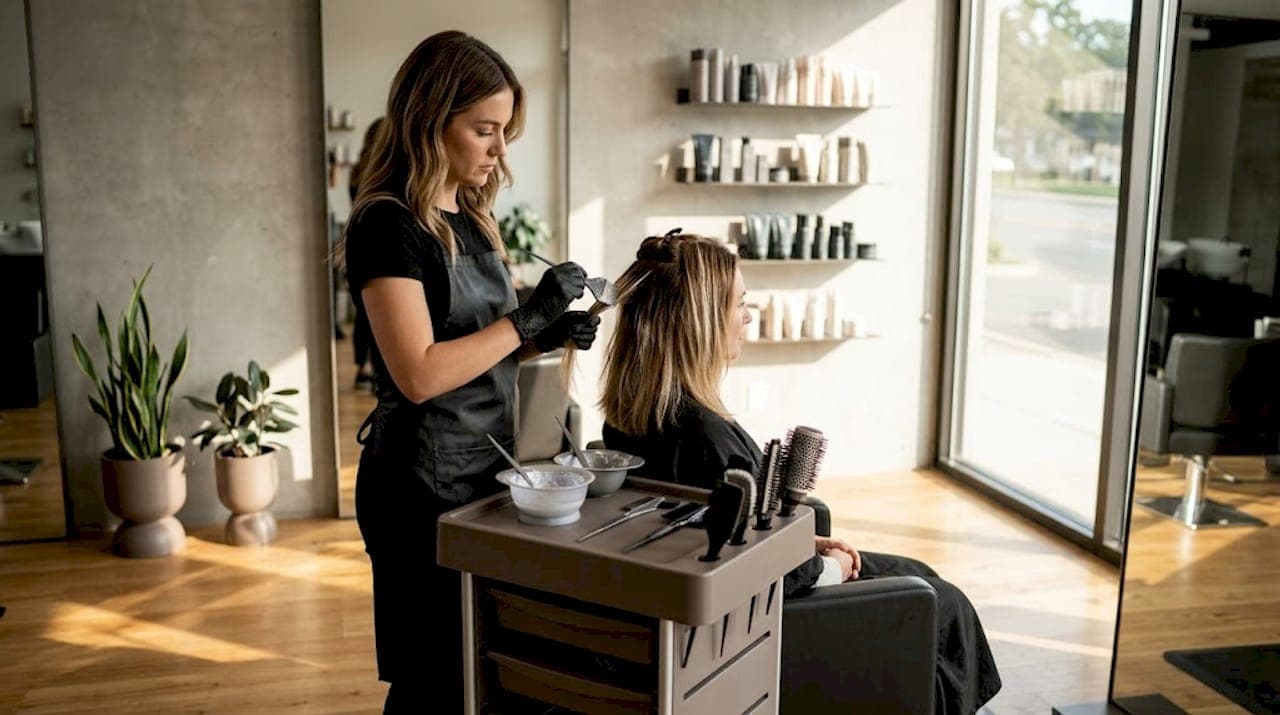
If you've ever walked out of a salon with highlights that looked too stripy, too uniform, or just too done, you already understand why the balayage freehand technique has taken over. Balayage comes from the French word meaning "to sweep", and that single word captures everything about why this method feels different. Instead of wrapping sections in foil, a colorist paints lightener directly onto the hair surface with a brush, creating dimension that looks like it came from a summer spent outdoors. This article breaks down exactly how it works, what makes it different, and what to expect when you book your first session.
Table of Contents
- Key Takeaways
- What is the balayage freehand technique?
- Modern design logic in freehand application
- What to expect during a balayage session
- Balayage vs. traditional highlights: benefits and trade-offs
- My honest take on balayage as an art form
- Get expert balayage at Salonrituel in Phoenix
- FAQ
Key Takeaways
| Point | Details |
|---|---|
| Freehand painting, no foils | Balayage is applied directly to hair surfaces with a brush, producing no harsh lines or uniform patterns. |
| Natural grow-out period | Results last 8 to 12 weeks or more before a touch-up is needed, making it low maintenance. |
| Design logic matters | Modern colorists tailor placement to your haircut, density, and movement for better dimension and longevity. |
| Not the same as foil highlights | Balayage creates softer, more gradual lightening and may not achieve the same extreme lift as foil methods. |
| Stylist skill is everything | Choosing a colorist experienced in freehand techniques is the single biggest factor in getting even, beautiful results. |
What is the balayage freehand technique?
At its core, balayage is a freehand hair painting method where a stylist applies lightener or color directly onto sections of hair without using foils or a cap. The word itself comes from French and means "to sweep," which describes the brushing motion used to deposit color along the surface of each section. The result mimics how hair naturally lightens from sun exposure. Roots stay darker, color builds through the mid-lengths, and the ends carry the most brightness.
Here is what makes the technique distinct from traditional foil highlights:
- No foils. Color sits open to the air, which changes how it processes and how the final result looks.
- No harsh demarcation lines. Because lightener is swept onto the surface rather than saturated through an entire section, the color fades softly into the natural hair.
- Targeted placement. Colorists focus on mid-lengths, ends, and face-framing sections rather than painting from root to tip.
- Softer grow-out. Since roots are intentionally left darker, regrowth blends naturally rather than creating a visible line of demarcation.
The natural grow-out period for balayage typically runs 8 to 12 weeks or longer, compared to the 4 to 6 weeks many clients schedule for foil highlights. That difference adds up quickly in both time and money over the course of a year.
Pro Tip: Ask your colorist to focus extra lightener on the pieces that naturally fall around your face. Those sections catch the most light and give you the most visible brightness with the least product overall.
The technique also works across a wide range of hair colors and textures. Whether you have fine hair, thick waves, or coily strands, a skilled colorist can adjust the amount of product, the pressure of the brush, and the placement to suit your specific hair. Balayage is highly customizable to skin tone, hair texture, and personal style, which is a big reason it has stayed popular across so many different client profiles.
Modern design logic in freehand application
Classic balayage used to mean one thing: sweep lightener onto the surface of random sections and let it process. That approach still works, but the most skilled colorists today have moved well past it. The shift is toward what many in the industry call design logic, where placement decisions are driven by your specific haircut, the density of your hair, and how it moves when it falls naturally.
Modern colorists emphasize design logic over generic patterns, tailoring placement based on haircut, density, and hair movement to create better dimension and longevity. This means a colorist working on a layered bob will place color very differently than one working on long, one-length hair. The cut determines where the eye travels, and the color should follow that same path.
Some of the techniques that have emerged from this design-driven approach include:
- Micro-diffused placement: Applying color in very fine, closely spaced sections to create a softer, more blended result with no visible chunks.
- Internal painting: Depositing color on the underside of sections rather than just the surface, which adds depth and dimension that shows when hair moves.
- Selective negative space: Deliberately leaving certain sections uncolored to create contrast and make the highlighted pieces pop.
Here is a quick comparison of how traditional balayage stacks up against these more advanced freehand methods:
| Feature | Traditional balayage | Advanced freehand methods |
|---|---|---|
| Placement logic | Surface sweeping on random sections | Design-driven, based on cut and movement |
| Dimension | Moderate, mostly surface-level | High, with internal and surface variation |
| Longevity between appointments | 8 to 12 weeks | Often 12 to 16 weeks due to intentional root blending |
| Customization level | General | Highly specific to individual hair |
| Skill required | Intermediate | Advanced |
The future of freehand techniques is moving toward more intentional, design-driven color that complements hair movement and style rather than simply adding brightness. When you consult with a colorist, asking about their approach to placement and design logic tells you a lot about their level of training.
Pro Tip: Before your appointment, bring photos of your hair in natural light from different angles. This gives your colorist a realistic picture of your natural movement and density, which directly shapes where they place the color.
What to expect during a balayage session
Understanding the process from start to finish helps you walk into your appointment with realistic expectations and walk out with results you love. Here is a typical sequence for a balayage freehand session:
- Consultation. Your colorist assesses your natural hair color, texture, density, and the cut before touching any product. This is where placement decisions happen, not at the bowl.
- Sectioning. Hair is divided into workable sections. Unlike foil work, which follows a strict grid pattern, balayage sectioning is more fluid and adjusts to your hair's natural fall.
- Product preparation. The lightener used in freehand balayage has a heavier consistency than foil lightener. This thickness is intentional. It prevents the product from bleeding onto sections that should stay dark.
- Painting. The colorist sweeps lightener onto the surface of each section using a brush, working from mid-length to ends and building intensity toward the tips.
- Processing. Hair processes in open air. Your colorist will monitor lift by checking sections periodically, though opening sections too early can cause uneven color because the interior stays wet longer than the surface.
- Rinse and tone. After lifting to the target level, hair is rinsed and often toned to neutralize brassiness and dial in the exact shade.
- Style reveal. Blowdrying and styling after a balayage appointment is not optional. The dimension only becomes visible once the hair is dry and styled.
Timing during processing is one of the trickier parts of freehand balayage. Because the product sits on the surface rather than being wrapped in foil, heat and air exposure can vary across different sections of the head. A colorist who checks lift by feel and visual cues rather than a fixed timer will consistently produce more even results.
Pro Tip: After your appointment, invest in a color-safe shampoo and a weekly toning mask. These two products alone can extend the life of your balayage by several weeks between appointments.
For maintenance, most clients return every 10 to 14 weeks. Using sulfate-free shampoo, minimizing heat styling, and applying UV protection sprays before sun exposure all help preserve the color between visits.
Balayage vs. traditional highlights: benefits and trade-offs
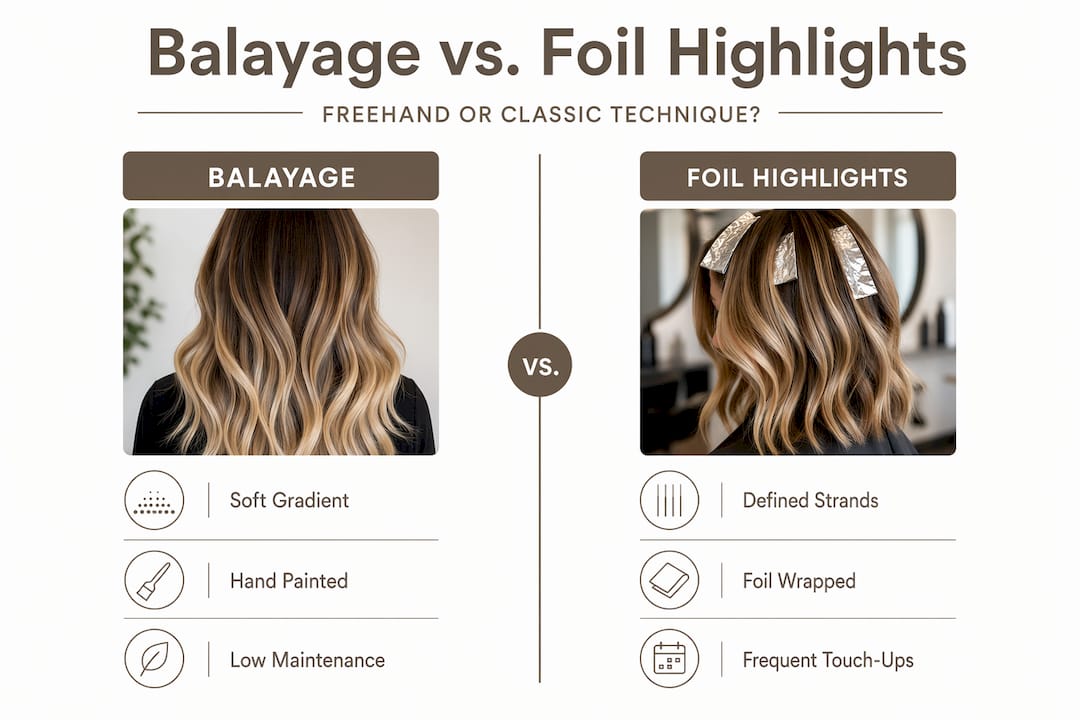
Balayage delivers bespoke brightness around the face, seamless root blending, and lighter ends with a soft gradient. That description captures most of what clients love about it. But it is worth being honest about where freehand techniques have limitations.
| Factor | Balayage | Foil highlights |
|---|---|---|
| Appearance | Soft, natural, sun-kissed | Uniform, defined, high contrast |
| Maintenance schedule | Every 10 to 14 weeks | Every 4 to 6 weeks |
| Cost per visit | Higher (more time and skill) | Lower per session |
| Annual cost | Lower (fewer appointments) | Higher (more frequent visits) |
| Lightening potential | Moderate | High, can achieve platinum |
| Best for | Natural dimension, low maintenance | Dramatic transformation, precise results |
The biggest consideration that does not show up in a table is managing client expectations. Freehand techniques might not achieve the same extreme lightening as foil highlights, and they take longer per session. If you want to go from dark brown to platinum in one visit, foils are the more practical tool. If you want natural dimension that grows out beautifully and does not demand a rigid salon schedule, balayage is hard to beat.
Choosing the right stylist matters more with balayage than with almost any other color service. Because there is no foil to control the product, the colorist's brush pressure, product consistency, and placement instincts are the only things standing between you and a patchy result. A stylist skilled in freehand application and aware of product nuances is the single most important factor in getting even, beautiful balayage.
My honest take on balayage as an art form
I've spent years watching clients come in frustrated after foil highlights that looked too artificial, too striped, or too high-maintenance for their lives. What I've learned is that balayage's freehand nature is not just a technique. It's a philosophy about how color should relate to the person wearing it.
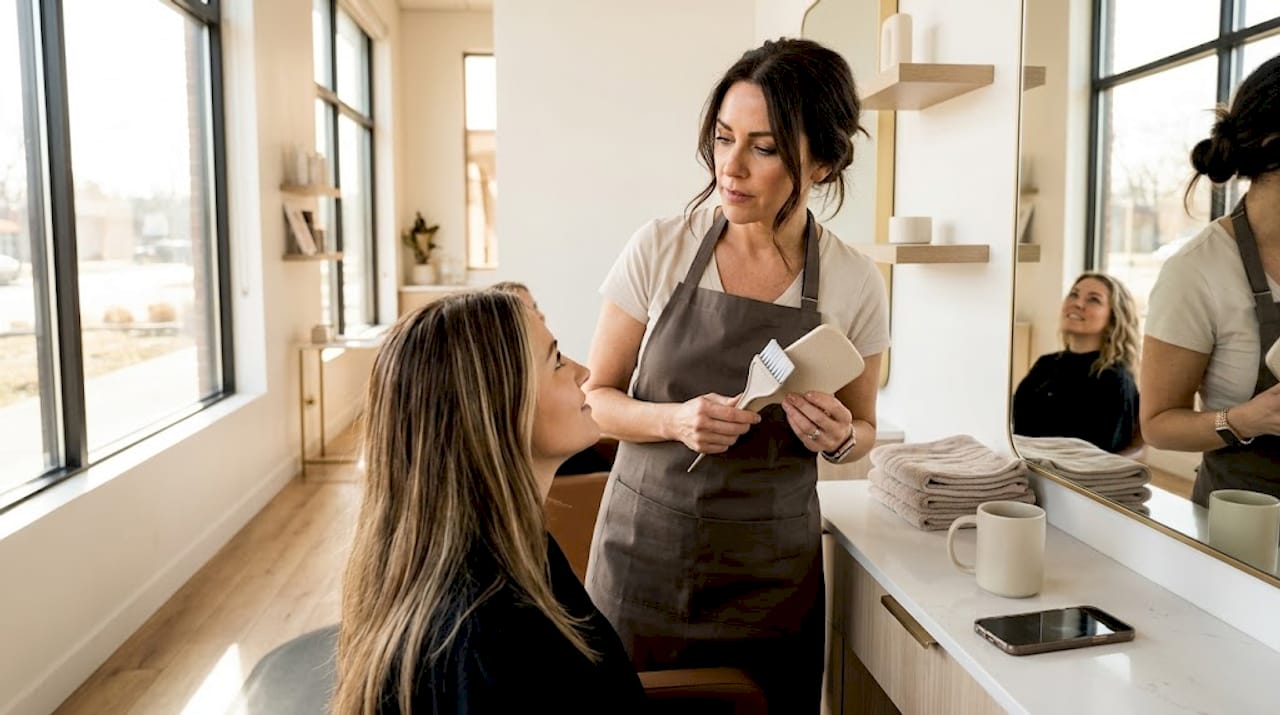
The thing most articles won't tell you is that generic balayage, the kind where a colorist just sweeps product onto random sections without thinking about your cut or your lifestyle, can look just as flat as bad foil work. The technique only reaches its potential when the colorist treats your hair as a specific design problem rather than a template to fill in.
What I've found actually works is starting every balayage consultation by looking at how the client's hair moves when she shakes it out naturally. That movement tells you everything about where the light will hit and where to place color for maximum impact. I've seen clients transformed by a single well-placed section near the temple that their previous colorist had always left dark.
The future of this technique is genuinely exciting. The shift toward design-driven freehand work means the gap between a great balayage and a mediocre one is getting wider, not smaller. The best colorists are thinking like visual artists, not technicians. That is the version of balayage worth seeking out.
— Victor
Get expert balayage at Salonrituel in Phoenix
At Salonrituel, hand-painted balayage is one of the services the team has built a reputation around. Every session starts with a thorough consultation to assess your hair's natural movement, density, and your lifestyle before a single brush touches your head.
Whether you're exploring balayage for the first time or looking to refine a look that hasn't quite landed the way you hoped, the colorists at Salonrituel apply the kind of design logic that separates a truly personalized result from a generic one. The salon also offers full hair color services including toning, color correction, and highlights for clients who want to explore all their options. Located at 4700 N 12th St, Suite 211 in Phoenix, Salonrituel is ready to help you find the version of balayage that actually fits your hair and your life.
FAQ
What does freehand balayage mean?
Freehand balayage means the colorist applies lightener directly onto the hair surface using a brush, without foils or a cap. The technique creates soft, natural-looking highlights that mimic how hair lightens from sun exposure.
How long does balayage last before a touch-up?
Balayage typically lasts 8 to 12 weeks or longer before a touch-up is needed, making it one of the lowest-maintenance color options available.
Can balayage work on dark hair?
Yes. Balayage works on dark hair, though it may require multiple sessions to achieve significant lightening. A skilled colorist can create visible dimension even on very dark bases without damaging the hair.
How is balayage different from foil highlights?
Balayage is painted onto the surface of the hair in open air, producing a soft gradient with no harsh lines. Foil highlights saturate entire sections from root to tip, creating more uniform and higher-contrast results.
Why does stylist skill matter so much for balayage?
Because there are no foils to control the product, the colorist's brush technique, product consistency, and placement decisions determine everything. Skilled freehand application is the difference between even, dimensional color and a patchy, uneven result.